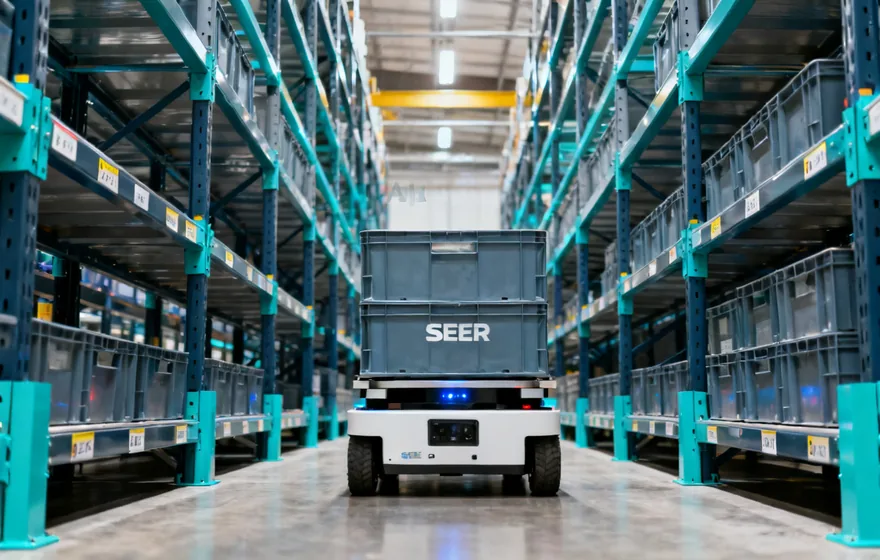
Fleet decisions with reviewable requirements

SEER Robotics AMR fleet choices grounded in throughput and interface evidence

Translate SKU mix, order profile, peak windows, scanner fields, charging cadence and WMS/WCS handshakes into selection criteria before a robot shortlist. Density, traffic rules and acceptance gates stay visible from first workshop through site release.

Review robot categories
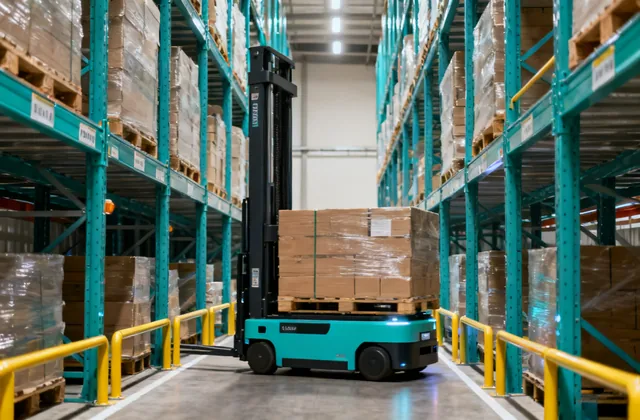
SEER Robotics warehouse flow from receiving through shipping with AMR fleet
ReceiveStoreMovePickShip
Fleet safety fieldsRoutes, scanners, charging and traffic rules
Controls matrixWMS, WCS, WES, PLC and fleet ownership
Throughput validationSKU mix, buffers and exception recovery
Phased cutoverFallback states and FAT/SAT gates
Application parameters

Group the facts that change SEER Robotics fleet selection

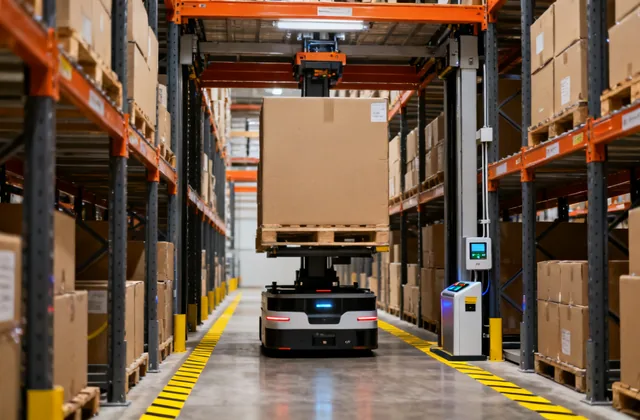
A robot platform name is not an operating case. Capture the values that govern payload, aisle geometry, traffic safety and control interfaces before comparing chassis classes.

Load & navigation
Load unit & massTote, carton or pallet with stated kg
Navigation envelopeAisle width, floor quality, grade
Localization methodSLAM, QR, wire or hybrid scope
Fleet & traffic
Concurrent robotsPeak fleet size and zones
Scanner / safety fieldsPerson detection and stop logic
Charging strategyOpportunity charge vs battery swap
Controls & duty
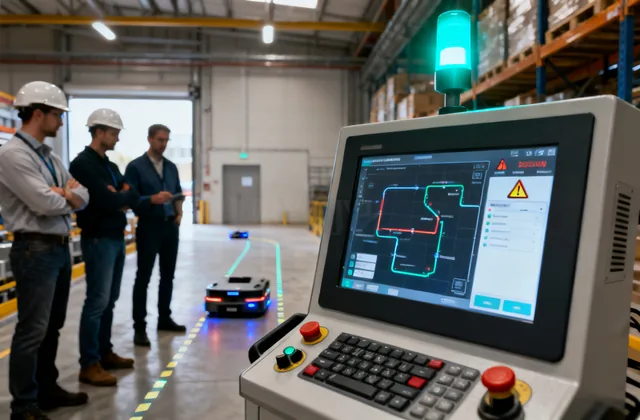
WMS / WCS / FMSCommand, ACK, timeout owners
Peak windowOrders/hour with SKU mix stated
Exception recoveryBlocked path and replan boundary
Operating-profile matrix

Compare warehouse verticals that rewrite SEER Robotics fleet assumptions

SKU depth, peak factor, temperature and pallet/tote mix must travel together. Mobile cards keep the same fields when the matrix collapses.

Vertical SKU depth Peak factor Temperature Load-unit mix
E-commerce fulfillment Very high Promotion waves Ambient Tote / carton heavy
Grocery distribution High Store cutoffs Ambient + chilled Case / roll cage
Cold chain Medium-high Door-window limited Chilled / frozen Pallet dominant
Manufacturing staging Medium Takt spikes Ambient Pallet / tote mixed
3PL multi-client Variable Client-driven Mixed zones Heterogeneous

E-commerce fulfillment

SKU depth: Very high
Peak factor: Promotion waves
Temperature: Ambient
Load-unit mix: Tote / carton heavy

Grocery distribution

SKU depth: High
Peak factor: Store cutoffs
Temperature: Ambient + chilled
Load-unit mix: Case / roll cage

Cold chain

SKU depth: Medium-high
Peak factor: Door-window limited
Temperature: Chilled / frozen
Load-unit mix: Pallet dominant

Manufacturing staging

SKU depth: Medium
Peak factor: Takt spikes
Temperature: Ambient
Load-unit mix: Pallet / tote mixed

3PL multi-client

SKU depth: Variable
Peak factor: Client-driven
Temperature: Mixed zones
Load-unit mix: Heterogeneous

Open detailed operating profiles →

Bring the SKU mix, peak window and control boundaries into one brief

Share measurable application inputs so SEER Robotics engineering can separate design facts from assumptions that still need site evidence.

Open safety evidence map